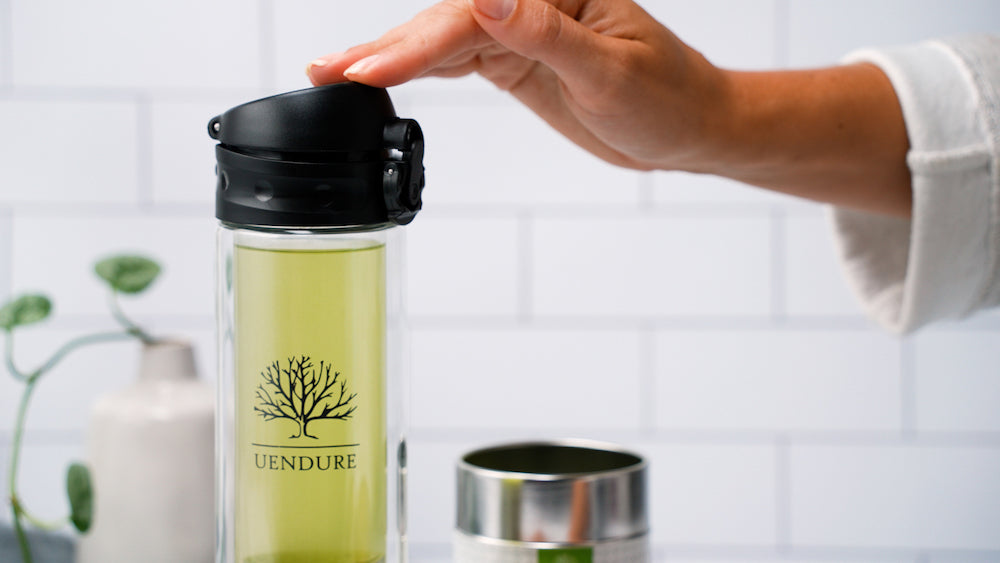
Save 15% when you buy the Original Bottle Bundle!
FLASHSALE


Joint stiffness can make mornings slower and everyday movement less comfortable. While tea cannot cure arthritis or replace medical care, the right cup can add plant-based antioxidants, warmth, hydration, and a calming pause to your wellness routine.
The best anti inflammatory teas often feature turmeric, ginger, green tea, rooibos, roots, or nutrient-rich herbs. These ingredients contain polyphenols and other plant compounds studied for their antioxidant and anti-inflammatory properties. Research on pain relief remains mixed, so no tea should be treated as medicine.
Inflammation is part of the body’s normal defense system. Acute inflammation supports healing, but chronic inflammation can remain active longer than needed and may be linked with ongoing health problems.
Green, black, and white tea contain tea polyphenols. Green tea also provides EGCG, an antioxidant studied for its possible role in inflammatory pathways.
Herbal tea blends may add turmeric, ginger, rooibos, moringa, or roots with different plant compounds. Evidence is still developing, so drinking tea is best viewed as a supportive habit rather than a treatment for rheumatoid arthritis, inflammatory bowel disease, or persistent joint pain.
|
Tea Option |
Main Ingredients |
Caffeine |
Best Fit |
|
Flame Out |
Turmeric, ginger, cinnamon, rooibos |
No |
Warming joint wellness routine |
|
SlimTea Herbal Detox |
Burdock, dandelion, peppermint, senna |
No |
Occasional digestive reset |
|
Burdock Root Tea |
Pure burdock root |
No |
Simple earthy loose leaf tea |
|
Dandelion Root Tea |
Roasted dandelion root |
No |
Coffee-like caffeine-free cup |
|
Organic Masala Chai |
Black tea, ginger, cinnamon, cloves |
Yes |
Morning or afternoon spice blend |
|
Honey Ginseng Tea |
Green tea, ginseng, eleuthero |
Yes |
Light tea with a gentle lift |
|
Moringa Magic |
Moringa, peach rooibos, ginger |
No |
Caffeine-free daily wellness |
Flame Out Turmeric Ginger Spice Anti-Inflammatory Tea is the most direct choice for shoppers seeking an organic anti-inflammatory tea blend.
It combines turmeric root, ginger root, cinnamon, peach rooibos, lemon peel, and black pepper. Turmeric supplies curcumin, while ginger contains gingerols and related compounds studied for possible anti-inflammatory effects.
Research is promising but not conclusive, so treat it as a soothing wellness drink rather than arthritis therapy.
Why try it:
Caffeine free and suitable for evening use
Available as loose leaf tea or tea bags
Warming spices pair well with lemon or honey
How to brew: Pour 6 to 8 ounces of hot water over one tea bag or one teaspoon of loose blend. Steep for 5 to 10 minutes.
Organic SlimTea Herbal Detox combines burdock root, dandelion root, red clover, licorice root, peppermint leaf, yellow dock, senna leaf, and lemon myrtle.
This herbal tea may suit people who want an occasional digestive-focused tea rather than a daily joint drink. Burdock, dandelion, and peppermint bring traditional wellness appeal, while senna acts as a stimulant laxative.
Frequent senna use may lead to laxative dependence or reduced normal bowel activity. This blend should be used according to its directions and not treated as an everyday beverage.
Good to know:
Caffeine free
Convenient tea bag format
Better suited to short-term, occasional use
Avoid it or ask a clinician first if you are pregnant, have digestive disease, take diuretics, or use medicines that may interact with herbs.
USDA Organic Burdock Root Tea is a single-ingredient loose leaf option for tea drinkers who prefer a simple, earthy brew.
Burdock root contains antioxidant plant compounds and has a long history in traditional food and herbal practices. One small study cited on the product page reported changes in certain inflammatory markers among people with knee osteoarthritis.
That result does not prove that burdock tea can treat arthritis or reduce inflammatory proteins in everyone.
Why it may fit your routine:
One organic ingredient
Caffeine free
Easy to blend with ginger tea, cinnamon tea, or rooibos tea
When to skip it: Avoid burdock during pregnancy, with dehydration, or when advised against it due to blood thinners, diabetes medicines, diuretics, or ragweed-family allergies.
Roasted Organic Dandelion Root Tea offers a nutty, roasted cup for people who want a caffeine-free alternative to coffee.
The loose root can be steeped for 5 to 10 minutes or simmered longer as a stronger decoction. It pairs well with cinnamon, ginger, peppermint, fennel, rooibos, or a little milk.
Pros:
Caffeine free
Rich, roasted taste
Works hot or as iced tea
Simple single-herb formula
Cons:
May increase urination
Can bother sensitive stomachs
May interact with diabetes, anticoagulant, antiplatelet, or water-pill medicines
Dandelion tea may support a comforting wellness ritual, but research is not strong enough to claim that it can fight inflammation or provide reliable joint pain relief.
Organic Masala Chai blends Fair Trade black tea with cardamom, cinnamon, cloves, ginger, and black pepper.
It is a strong choice for mornings when you want warming spice, antioxidant properties, and natural caffeine. Black tea provides polyphenols, while ginger, cinnamon, and cloves contain anti-inflammatory compounds studied in food and laboratory research.
According to UEndure, the blend also received recognition at the World Tea Expo.
How to make it: Add 1 to 2 teaspoons per 8 ounces of water, simmer for 3 to 5 minutes, and then strain. Add milk and a light sweetener if desired.
Who should limit it: People sensitive to caffeine, those managing sleep problems, or anyone whose clinician has advised reducing black tea or stimulating drinks.
Organic Honey Ginseng Tea is a light-bodied loose leaf blend made with Young Hyson green tea leaves, ginseng root, eleuthero root, and linden flowers.
Green tea contains polyphenols, including EGCG, which are studied for antioxidant and anti-inflammatory benefits. Ginseng adds a traditional tonic ingredient, but it should not be presented as a cure for fatigue, arthritis, or chronic inflammatory conditions.
Best reasons to choose it:
Gentle honey-forward profile
Green tea base for daytime drinking
Short 3 to 4 minute steep
When not to choose it: The product contains caffeine and warns against concurrent stimulant use. People taking medicines or managing blood sugar concerns should ask a healthcare professional about possible herb-drug interactions.
Moringa Magic Superfood Tea combines moringa, peach rooibos, and ginger pieces in a caffeine-free loose leaf blend.
It suits people who want a softer, fruit-forward herbal tea while still getting ginger and antioxidant-rich rooibos. Moringa contains vitamins and plant compounds, but claims that it can reduce inflammation, lower inflammation markers, or relieve joint pain require stronger human research.
Why you may enjoy it:
Caffeine free for morning or evening
Rooibos base with peach notes
Ginger adds warmth
Can be served hot, iced, or prepared as a latte
How to brew: Steep 1 to 2 teaspoons in 8 ounces of boiling water for 5 to 7 minutes. For iced tea, use less water, cool the concentrate, and pour it over ice.
UEndure treats tea as part of a wellness routine rather than just a flavored drink. Its range includes organic tea, functional herbal blends, premium loose leaf options, green tea, black tea, chai, rooibos-based blends, and reusable tea accessories.
The seven products above give shoppers several ways to build a personal routine:
Turmeric and ginger for a warming cup
Burdock or dandelion for an earthy root brew
Masala chai or honey ginseng for daytime caffeine
Moringa and rooibos for a caffeine-free daily option
Tea bags or loose leaf formats for different schedules
Choose based on ingredients, caffeine needs, medications, and how often you plan to drink it. A premium tea blend should fit your body and routine without making promises that go beyond current evidence.
Tea may help create a steady self-care habit through hydration, warmth, antioxidants, and mindful pauses. Green tea, turmeric tea, ginger tea, rooibos, dandelion, burdock, and moringa each offer a different path.
None should replace medical care for arthritis, chronic inflammation, or ongoing pain.
When comparing the best anti inflammatory teas, start with the ingredient list and your caffeine preference. Check for medicine interactions or health restrictions before adding a new herbal product to your routine. UEndure’s seven options make it easier to select a cup that supports your daily wellness goals while keeping expectations realistic.
Turmeric and ginger blends are popular because both spices contain plant compounds studied for anti-inflammatory effects. Green tea also supplies EGCG and other polyphenols. Results vary, and tea should support, not replace, professional arthritis care.
Many caffeine-free herbal teas can fit a daily routine, but ingredient safety matters. Senna blends are generally for occasional use, while ginseng, licorice, dandelion, and burdock may interact with medicines or certain existing health conditions.
Green tea offers EGCG and tea polyphenols, while herbal blends may contain turmeric, ginger, rooibos, or moringa. Neither category is always better. Choose based on caffeine tolerance, ingredients, health needs, and advice from your clinician.