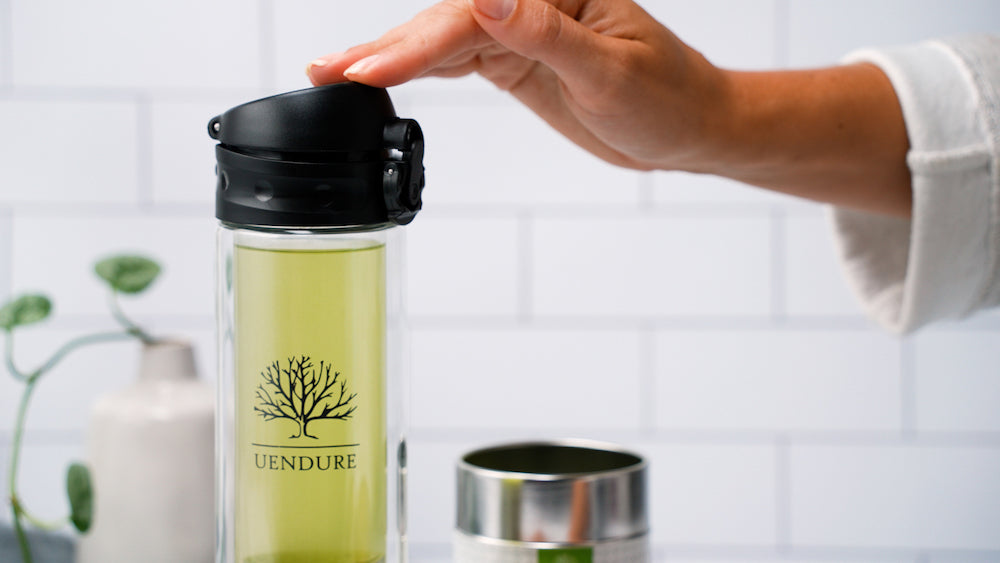
Save 15% when you buy the Original Bottle Bundle!
FLASHSALE


A warm cup of tea will not replace medical care, but it can become a steady part of a heart-conscious routine. The best tea for blood circulation should offer useful plant compounds, fit your caffeine tolerance, and support habits that protect the cardiovascular system.
Research on tea remains measured. The National Center for Complementary and Integrative Health notes that green and black tea may have small beneficial effects on certain heart-disease risk factors, including blood pressure and cholesterol. Hibiscus also has limited evidence for modest blood-pressure support. Tea works best alongside regular exercise, balanced meals, adequate sleep, and weight management, not as a treatment for disease.
Healthy blood flow depends on the heart, arteries, veins, and small blood vessels working together. Hydration and antioxidant-rich drinks may support blood vessel health, while daily movement helps the body pump blood efficiently.
Some tea polyphenols are associated with healthier cardiovascular markers, but results vary by tea type, dose, preparation, and personal health.
Cold hands, numbness, skin-color changes, cramping, swelling in the legs, or visible varicose veins may point to poor circulation. Sudden one-sided swelling, chest pain, shortness of breath, or symptoms of deep vein thrombosis need urgent medical assessment.
Tea does not dissolve blood clots or clear a blocked artery.
For everyday circulation support, pair tea with lifestyle changes such as walking, regular exercise, maintaining a moderate weight, avoiding tobacco, managing stress, and keeping blood pressure, cholesterol, and blood sugar within your clinician’s recommended range.
Elevating your legs may help temporary swelling, but ongoing symptoms require a healthcare professional.
The strongest choices are not miracle drinks. They are well-made teas that add antioxidants, replace sugary beverages, and make a healthy daily routine easier to maintain.
The nine UEndure options below cover caffeine-free herbal infusions, low-caffeine Kenyan purple tea, and several organic green tea blends.
|
Tea |
Caffeine Level |
Best Fit |
|
Heart & Harmony |
None |
Heart-focused evening ritual |
|
Honey Ginseng |
Contains caffeine |
Active mornings |
|
Energy Support |
Contains caffeine |
Focus and daytime stamina |
|
Organic Ginkgo Leaf |
None |
Caffeine-free herbal routine |
|
Hibiscus Bliss |
None |
Tart hot or iced tea |
|
Lemon Verbena |
None |
Rest and evening use |
|
Kenyan Purple Tea |
Low |
Antioxidant-focused sipping |
|
Dragon Well With Ginger |
Contains caffeine |
Short-steep morning tea |
|
Tropical Delight |
Medium |
Fruit-led green tea |
Caffeine information and blend positioning come from the current UEndure product descriptions.
Heart & Harmony herbal tea is the clearest heart-focused option in this list. Its caffeine-free blend combines organic mulberry leaf, hibiscus petals, and lemon balm.
Hibiscus brings plant antioxidants, while lemon balm gives the cup a calming role within a stress-aware wellness routine.
Why try it:
Caffeine-free for morning or evening use
Loose-leaf and tea-bag formats
Suitable for people who prefer a focused herbal blend
Brew 1 to 2 teaspoons, or one bag, in 8 ounces of hot water for 5 to 7 minutes. People taking blood-pressure or blood-sugar medicine should ask a clinician before frequent use.
It also works well over ice, which makes steady hydration easier during warm weather.
Organic Honey Ginseng Tea combines Young Hyson green tea with eleuthero root, linden flowers, organic ginseng root, and a honey-forward natural flavor.
It suits daytime drinkers who want a lively cup with plant-based compounds and moderate stimulation.
Pros:
Green tea base with antioxidant polyphenols
Ginseng and eleuthero for a functional morning ritual
Light body with a naturally sweet profile
Cons:
Contains caffeine
Not ideal near bedtime
The brand advises against combining it with stimulants
Use one teaspoon per 8 to 12 ounces of simmering water and steep for 3 to 4 minutes. Ginseng may affect blood sugar, clotting, or some medicines.
Energy Support organic green tea blends Young Hyson leaves with eleuthero root, ginkgo leaf, and licorice root.
It is a practical pick for mornings when you want circulation-friendly tea compounds alongside focus and stamina support.
How to make it:
Add 1 to 2 teaspoons per 8 ounces of water.
Use water between 175°F and 185°F.
Steep for 2 to 3 minutes.
Keep the steep shorter for a smoother cup.
This blend contains natural caffeine. Its soft sweetness may reduce the urge to add sugar.
Licorice root and ginkgo also make medication screening important, especially for people managing healthy blood pressure or taking anticoagulants.
USDA-certified organic ginkgo leaf tea is a caffeine-free, whole-leaf infusion positioned for focus and circulation support.
Ginkgo contains flavonoids and terpenoids, yet evidence does not support treating circulation disorders with tea alone.
Why it may fit your routine:
No caffeine
Whole loose leaves
Earthy profile that pairs with lemon or honey
Suitable for hot or iced preparation
Steep 1 to 2 teaspoons in 8 ounces of near-boiling water for 5 to 7 minutes. Start with one daily serving to assess tolerance.
Avoid casual use with warfarin or other blood-thinning medicine because ginkgo may increase bleeding risk. Do not treat it as a remedy for memory loss.
USDA Organic Hibiscus Bliss Tea offers a simple, caffeine-free infusion with a naturally tart profile.
Hibiscus has been studied for its possible effect on blood pressure, though the evidence remains limited and the average effect appears small. It should support, not replace, prescribed care.
Best for:
People avoiding caffeine
Hot or iced circulation tea
Anyone replacing sweetened drinks with an unsweetened botanical option
Pour 6 to 8 ounces of boiling water over one teaspoon and steep for 3 to 4 minutes.
Ask your clinician about frequent use when taking antihypertensive medicine, since combined effects may lower blood pressure more than intended.
Lemon Verbena Leaf Tea is a caffeine-free herbal choice for people who connect heart care with rest, digestion, and stress management.
The leaf contains antioxidant compounds and has a bright citrus scent, making it useful as an evening alternative to caffeinated drinks.
Why drink it:
Supports a calmer nighttime ritual
Adds variety without caffeine
Works well after meals
Offers a naturally refreshing aroma without added sugar
This is not the first choice for directly stimulating blood flow. Its value is indirect. Better routines around rest and lower-sugar beverage choices can support overall health.
Follow the package directions and seek medical guidance during pregnancy or when taking regular medication.
Premium Organic Kenyan Purple Tea stands out for its anthocyanins, the pigments that give the leaves their purple color.
These antioxidant compounds are studied for their relationship with oxidative stress and blood vessel function, though human evidence for purple tea itself remains developing.
Pros:
Low caffeine
Organic, fair-trade Kenyan sourcing
Available plain or blended with hibiscus
Leaves can be steeped more than once
Try it hot or iced with a squeeze of lemon. The plain version also keeps the ingredient list especially simple.
It is a good middle ground for drinkers who want less caffeine than standard green or black tea without choosing a fully herbal infusion.
Organic Dragon Well Green Tea with Ginger combines full-leaf Longjing tea with organic ginger pieces.
Green tea supplies polyphenols, while ginger adds a warming note that suits people seeking an everyday tea for circulation and heart-conscious habits.
How to brew:
Use one teaspoon per 6 to 8 ounces of filtered water.
Steep for 60 to 90 seconds.
Re-steep the leaves two or three times.
Add lemon if desired.
The short brew prevents harshness. This tea contains caffeine, and concentrated green tea products may interact with medicines such as nadolol or atorvastatin.
A brewed cup is not the same as an extract, but medication users should still ask their clinician.
Organic Tropical Delight Green Tea combines organic green tea with banana, pineapple, coconut, safflower petals, and natural flavors.
It is a useful entry point for shoppers who find plain green tea too grassy but still want a polyphenol-rich beverage.
Why choose it:
Medium caffeine for morning or afternoon
No added sugar in the blend
Fruit-led profile encourages unsweetened drinking
Suitable as a replacement for soda or heavy sweet tea
Steep 1 to 2 teaspoons in 175°F water for 2 to 3 minutes. Its fruit pieces contribute aroma and texture rather than acting as medical treatment.
Keep sweeteners light so the cup remains aligned with cardiovascular goals.
Choose Heart & Harmony when you want a caffeine-free blend built around hibiscus, mulberry, and lemon balm. Select Hibiscus Bliss for a simpler tart infusion, or Lemon Verbena for an evening wellness ritual.
Pick Dragon Well with Ginger, Energy Support, or Tropical Delight when you prefer green tea and tolerate caffeine.
Honey Ginseng suits active mornings, while Organic Ginkgo Leaf needs extra caution around blood-thinning medicine. Kenyan Purple Tea offers low caffeine and an unusual antioxidant profile.
The best choice also depends on the cause of your symptoms. If you have persistent numbness, leg pain while walking, slow-healing wounds, or repeated swelling, seek medical care instead of relying on the best drinks or home remedies.
UEndure treats tea as a functional wellness product rather than a flavor-only purchase. Its range includes organic herbal options, premium loose-leaf green tea, low-caffeine purple tea from Kenya, and reusable infuser accessories for home or travel.
The company also highlights ethical sourcing, eco-conscious packaging, private-label tea and bottle services, and community giving.
UEndure is based in Sugar Land, Texas, and displays recognition as a recipient of US Congressional Awards. Its product pages provide ingredients, caffeine details, and brewing guidance, which helps shoppers compare blends with more confidence.
Tea can support a heart-conscious routine by adding hydration, antioxidant compounds, and a satisfying alternative to sugary beverages.
Hibiscus and green tea have the most relevant human research among these choices, though their effects are modest and they do not replace prescribed treatment.
Build your routine around movement, nutritious food, sleep, tobacco avoidance, and medical follow-up. Then select a blend based on caffeine, ingredients, timing, and medication safety.
Consistency matters more than chasing a single miracle ingredient.
Hibiscus, green tea, and antioxidant-rich purple tea are sensible options. They may support cardiovascular markers or blood vessel health, but they do not treat blocked vessels. Pair tea with movement, balanced nutrition, hydration, and medical care when symptoms persist.
Research suggests green tea may produce a small, short-term reduction in blood pressure for some adults. Results vary, and concentrated extracts can interact with medicines. Choose unsweetened brewed tea and discuss regular intake with your clinician when taking heart medication.
Seek advice if you take anticoagulants, blood-pressure medicine, diabetes medicine, stimulants, or several prescriptions. Consultation is also wise during pregnancy, before surgery, or when symptoms include chest pain, sudden leg swelling, breathlessness, fainting, or worsening vein problems.
For a thoughtful daily ritual, choose the best tea for blood circulation based on caffeine tolerance, ingredients, medications, and the wellness habits you can follow consistently.